Podcast

6 Signs Your Faith Has Become a Performance (And How to Make It Real Again)

It often happens without you noticing.

The vibrant relationship with God you once enjoyed gradually transforms into a carefully choreographed religious routine. Your once-authentic faith subtly shifts into a performance—complete with rehearsed prayers, polished testimonies, and the right spiritual vocabulary.

You’re still doing all the “right things,” but something essential has changed. That genuine connection you once felt has been replaced by a nagging sense of going through the motions.

In Scott Johnson’s transformative novel THE CALL, protagonist Bob Cooper discovers this truth on his mysterious mountain journey. Like many believers, Bob realizes he’s been climbing for God’s approval rather than living from God’s acceptance—a performance instead of a relationship.

If you suspect your faith has become more about performance than presence, here are six revealing signs—and more importantly, how to reclaim the authentic relationship God intended.

Sign #1: Prayer Has Become a Duty Rather Than a Connection

The Performance Indicator: You measure prayer by duration, frequency, or eloquence rather than connection. Prayer feels like something to complete rather than someone to encounter.

In THE CALL, Bob confronts this reality when Kinsman asks him a penetrating question: “Are you praying TO God or FROM God?

This distinction reveals everything about our approach to prayer:

  • Praying TO God (performance): Assumes separation that must be bridged through perfect words or spiritual intensity.
  • Praying FROM God (presence): Recognizes union—”Christ in you” as actual reality, not just theological concept.

How Real Faith Approaches Prayer: Authentic faith sees prayer as conversation flowing from established connection, not religious effort trying to create connection.

Making It Real Again:

  • Begin prayer by acknowledging the connection that already exists: “Father, thank you that I am in You and You are in me.”
  • Replace prayer metrics (time, words, frequency) with connection awareness.
  • Spend more time listening than speaking.

Key Takeaway: Prayer becomes real again when it shifts from obligation to opportunity—from trying to reach God to experiencing the God already present.

Sign #2: You Feel Spiritually Impressive Around “Weaker” Christians

The Performance Indicator: You subtly (or not so subtly) compare your spiritual disciplines, biblical knowledge, or ministry involvement to others—and feel satisfied when you measure favorably.

In performance-based Christianity, other believers become either competition or audience.

THE CALL addresses this when Bob discovers that “most people believe they must fight for everything they need… They became slaves to their circumstances, prisoners of their own striving.” This competitive climbing creates a spirituality built on comparison rather than completion.

How Real Faith Approaches Others: Authentic faith sees other believers as fellow recipients of grace, not competitors in a spiritual achievement race.

Making It Real Again:

  • Practice celebrating others’ spiritual insights without mentally comparing them to your own.
  • Ask yourself: “Am I sharing this spiritual experience to help others or impress them?”
  • Intentionally learn from believers you’ve previously deemed “less mature.”

Key Takeaway: Faith becomes real again when spiritual maturity is measured by growing love, not growing impressiveness.

Sign #3: Silence from God Feels Like Punishment

The Performance Indicator: When God seems silent, you assume it’s because you’ve disappointed Him. You frantically review recent behaviors trying to identify what you did wrong.

This reaction reveals a transactional view of relationship with God—a performance paradigm where divine responses must be earned.

In THE CALL, Bob experiences this shift when he realizes that “God doesn’t play hide-and-seek… He’s not remote, a distant cloud in the sky trying to escape connection; He is near.

How Real Faith Approaches Silence: Authentic faith sees divine silence as an invitation to deeper listening, not punishment for imperfect performance.

Making It Real Again:

  • When facing silence, declare: “God’s quietness doesn’t mean absence or disapproval.”
  • Replace “What did I do wrong?” with “What are You teaching me in this silence?”
  • Look for God’s presence in unexpected places during seemingly silent seasons.

Key Takeaway: Faith becomes real again when you understand that God’s silence isn’t withdrawal; it’s often an invitation to find Him in new ways.

Sign #4: You’re Exhausted by Your Faith

The Performance Indicator: Your spiritual life leaves you depleted rather than energized. Christian living feels like a demanding job rather than a restful relationship.

This exhaustion is the inevitable result of performance Christianity—where you’re always climbing but never arriving.

In THE CALL, Bob confronts this reality when Kinsman tells him, “You were never meant to climb. The mountain was never meant to be a climb.” This revelation transforms Bob’s understanding from striving to receiving.

How Real Faith Approaches Spiritual Energy: Authentic faith finds its source in Christ’s finished work, not personal effort. It energizes rather than depletes.

Making It Real Again:

  • Take inventory of which spiritual activities drain versus energize you.
  • Schedule regular intervals of genuine Sabbath—where you simply receive God’s love without “producing” anything spiritual.
  • Replace “I should” with “I am invited to” when approaching spiritual disciplines.

Key Takeaway: Faith becomes real again when it aligns with Jesus’s invitation: “Come to me, all you who are weary and burdened, and I will give you rest” (Matthew 11:28).

Sign #5: Your Spiritual Life Fluctuates Based on Your Behavior

The Performance Indicator: Your sense of God’s presence and pleasure rises and falls with your latest spiritual performance. Good behavior means God is close; poor choices mean He’s distant.

This rollercoaster reveals a fundamental misunderstanding of relationship with God—making His presence conditional on your performance.

THE CALL addresses this when Bob discovers that true freedom means “you stop defining yourself by what you do—you finally discover who you are.” This identity shift creates stability amid fluctuating behaviors and feelings.

How Real Faith Approaches Behavior: Authentic faith understands that while behavior matters, it doesn’t determine God’s presence or love. God’s commitment isn’t contingent on your latest spiritual performance.

Making It Real Again:

  • Practice distinguishing between communion (relationship) and consequence (results of choices).
  • When you make mistakes, declare: “My behavior may change, but my belonging doesn’t.”
  • Identify areas where you’ve made God’s presence dependent on your performance.

Key Takeaway: Faith becomes real again when your spiritual security comes from Christ’s consistent character rather than your inconsistent behavior.

Sign #6: You Keep Your Struggles Hidden

The Performance Indicator: You carefully curate your spiritual image, sharing victories while hiding struggles. Real-time battles remain private until they become past-tense testimonies.

This pattern reveals fear that spiritual worth depends on performance—that struggles might disqualify you from God’s (or others’) approval.

In THE CALL, Bob confronts this when he realizes that “the cracks beneath” his seemingly perfect life were part of a “carefully constructed illusion” he maintained.

How Real Faith Approaches Struggles: Authentic faith sees vulnerability not as spiritual weakness but as the context for genuine grace. Struggles don’t disqualify; they reveal our ongoing need for Christ.

Making It Real Again:

  • Identify one spiritual struggle you’ve been hiding, and share it with a trusted friend.
  • Practice “real-time honesty” with God instead of waiting until you’ve overcome to acknowledge struggles.
  • Create or join environments where authentic spiritual conversation is valued above polished religious performance.

Key Takeaway: Faith becomes real again when it makes room for authentic struggle rather than demanding perfect performance.

The Path Back to Authentic Faith: 4 Practical Steps

Identifying performance-based faith is just the beginning. Here’s how to actively reclaim the authentic relationship God intended:

1. Embrace Your Identity in Christ as Your Starting Point

Performance begins with lack; authenticity begins with fullness. Your primary spiritual practice should be remembering who you already are in Christ.

As THE CALL workbook emphasizes: “You are not climbing from emptiness. You are moving from fullness.

Practical Application: Each morning, declare one truth about your identity in Christ before attempting any spiritual activity or service.

2. Practice Receiving Before Serving

Performance Christianity emphasizes giving to God; authentic faith prioritizes receiving from God.

THE CALL illustrates this through Bob’s transformation when he discovers that “when you stop climbing, you start living from what’s already been given.

Practical Application: Before serving others or God in any capacity, spend time consciously receiving God’s love, grace, and strength for that service.

3. Cultivate Honest Community

Performance thrives in isolation and superficial community; authenticity requires relationships where real struggles can be shared without judgment.

As portrayed in THE CALL, transformation often happens in the context of authentic connection where “masks can finally come off.

Practical Application: Identify one person with whom you can practice complete honesty about your spiritual journey—including doubts, failures, and questions.

4. Establish Identity-Reinforcing Habits

Performance-based habits focus on earning approval; identity-based habits focus on living from approval already given.

THE CALL workbook describes this as “building habits that match your identity” rather than trying to build an identity through habits.

Practical Application: Evaluate your spiritual disciplines: Do they flow from who you are in Christ, or are they attempts to become worthy of His love?

From Performance to Presence

The shift from performance-based to presence-based faith doesn’t happen overnight. Old patterns of religious striving run deep and often resurface during stress or spiritual dryness.

But as Bob discovers in THE CALL, the journey from exhausting religious performance to authentic spiritual presence begins with a simple but profound realization:

You aren’t chasing purpose—you’re walking in it. You aren’t begging for approval—you’re already fully accepted. You aren’t working for rest—you’re living from it.

This transformation isn’t about doing faith differently; it’s about understanding your position differently. It’s not about climbing better techniques; it’s about discovering you’re already at the summit in Christ.

Performance says, “I’ll do this so God will love me.” Presence says, “Because God loves me, I’ll do this.”

That subtle shift changes everything.

THE CALL illustrates this journey through Bob’s powerful story—moving from striving to sonship, from exhaustion to exhilaration, from performance to presence.

Want to go deeper? THE CALL workbook is your next step in breaking free from performance-based spirituality and discovering the relationship God always intended. More than just questions, it’s a guided journey from exhausting religious effort to liberating grace. Click here www.graceempoweredliving.com/call to begin your transformation.

Written by, Scott Johnson is an author of thirteen books who helps people break free from performance-based spirituality. Drawing from over four decades of ministry experience, Scott empowers others to move beyond obstacles toward a fulfilled life through God’s grace. His passion is helping people discover they are already approved, already loved, and already complete in Christ—no exhausting religious performance required.

SJ

3 Shifts That Will Transform Your Faith Journey Overnight

Ever noticed how some Christians seem naturally connected to God, while others exhaust themselves trying to earn what was already given?

You’ve likely experienced it yourself—the frustration of spiritual effort that yields minimal growth. Despite consistent devotion, Bible study, and sincere prayer, something still feels missing. The mountaintop experiences you crave remain elusive, leaving you wondering what secret you’re missing.

The answer isn’t another spiritual discipline or technique. It’s not about doing more—it’s about seeing differently.

In Scott Johnson’s transformative novel THE CALL, protagonist Bob Cooper discovers this truth when he wakes up on a mysterious mountain. His journey reveals that transformation doesn’t come through incremental improvements to our current approach. It comes through fundamental shifts in how we understand our relationship with God.

Let’s explore three shifts that can transform your faith journey—not through years of gradual change, but through immediate perspective transformation.

Shift #1: From Climbing to Resting

Most Christians approach spiritual growth like a mountain to climb—something achieved through persistent effort, discipline, and performance. The assumption is that if we work hard enough, eventually we’ll reach spiritual maturity and experience God’s presence more fully.

But what if we’ve got it backward?

In THE CALL, Bob makes a stunning discovery: “You were not climbing toward supply—you were living from supply.” Paul the apostle confirms in scripture, he teaches us that we are already complete in Christ, even if we don’t feel it.

This reveals the first transformative shift: moving from spiritual climbing to spiritual resting.

The Problem with Climbing

Performance-based spirituality creates several problems:

  • Exhaustion: Always striving but never arriving
  • Insecurity: Never knowing if you’ve done enough
  • Measurement: Constantly comparing your climb to others
  • Conditional peace: Experiencing God’s presence only when performing well

As Bob discovers in THE CALL, “The more desperately someone tries to reach God through effort, the more distant He often feels.”

The Power of Resting

Resting in your relationship with God means:

  • Starting from acceptance rather than working toward it
  • Operating from completion rather than striving for it
  • Living from God’s resources rather than your own

Biblical Foundation: “For anyone who enters God’s rest also rests from their works, just as God did from his” (Hebrews 4:10). The invitation isn’t to climb harder but to rest more deeply.

Key Takeaway: Spiritual growth isn’t about climbing to reach God—it’s about resting in who He already says you are.

Shift #2: From Outside-In to Inside-Out Living

Many believers live “from the outside in”—allowing circumstances, achievements, and others’ approval to determine their spiritual condition and even their definition of themselves.

When life goes well, God feels close. When problems arise, God seems distant. This creates a spirituality dictated by external factors rather than internal reality.

In THE CALL, Bob encounters a profound truth: “God doesn’t play hide-and-seek… We now live and move in Him. This is God’s original intention for man.

This reveals the second transformative shift: moving from outside-in to inside-out spirituality.

The Trap of Outside-In Living

Outside-in spirituality means:

  • External circumstances control your spiritual experience
  • God’s presence feels conditional and unpredictable
  • Spiritual stability remains elusive regardless of effort
  • Faith becomes reactive rather than proactive

As portrayed in THE CALL, this approach leaves us “trapped in a system of performance and scarcity.”

The Freedom of Inside-Out Living

Inside-out spirituality means:

  • Living from an internal reality that doesn’t change with circumstances
  • Experiencing God’s presence regardless of external conditions
  • Responding to life from a place of unshakable identity
  • Bringing God’s reality to situations rather than letting situations define God’s reality

Biblical Foundation: “Christ in you, the hope of glory” (Colossians 1:27). God’s presence isn’t something we chase; it’s someone who dwells within us.

Key Takeaway: Stop allowing circumstances to dictate your spiritual reality. Begin living from the unshakable truth of who you are in Christ.

Shift #3: From Knowledge to Identity

Information about God is not the same as transformation by God. Yet many Christians confuse biblical knowledge with spiritual maturity.

We can quote scripture, explain complex theology, and attend countless Bible studies—yet still feel spiritually hollow because we’ve mistaken information for transformation.

In THE CALL, Bob confronts this reality when he learns: “Faith is not about striving to become something. It’s awakening to who you already are in Christ—and letting your actions overflow from that truth.

This reveals the third transformative shift: moving from knowledge accumulation to identity awakening.

The Limitation of Knowledge Without Identity

Knowledge-based spirituality means:

  • Accumulating biblical information without personal transformation
  • Knowing who God is without experiencing who you are in Him
  • Understanding doctrines without embodying truth
  • Intellectualizing what should be internalized

As Bob discovers in THE CALL, this approach leaves us “knowing all the right answers but still living all the wrong questions.”

The Power of Identity-Based Spirituality

Identity-based spirituality means:

  • Living from who God says you are, not just what God says you should do
  • Allowing truth to transform your self-perception, not just your behavior
  • Making decisions based on your nature in Christ, not just biblical rules
  • Seeing yourself as God sees you—complete, loved, and empowered

Biblical Foundation: “Therefore, if anyone is in Christ, the new creation has come: The old has gone, the new is here!” (2 Corinthians 5:17). Transformation comes through identity renewal, not just information acquisition.

Key Takeaway: Shift your focus from knowing more to becoming who you already are in Christ.

The Integration: When All Three Shifts Work Together

These shifts aren’t isolated techniques—they’re interconnected aspects of a single transformation. When integrated, they create a complete paradigm change:

  • Resting provides the foundation of security
  • Inside-out living provides the source of stability
  • Identity awakening provides the fuel for transformation

Together, they create what THE CALL describes as “living from the inside out”—a spirituality characterized by peace, purpose, and power that doesn’t depend on perfect performance or favorable circumstances.

As one reader of THE CALL shared: “It wasn’t just another spiritual growth concept—it was like someone finally handed me the right map after years of climbing in circles.”

Practical Next Steps

How do you begin implementing these shifts in your daily life? Here are simple practices to start today:

For Shift #1 (From Climbing to Resting):

  • Begin each day by declaring “I am already accepted in Christ” before doing any spiritual activity
  • Replace “I should” statements with “I am” declarations
  • When anxiety rises, ask: “Am I trying to earn what’s already mine?”

For Shift #2 (From Outside-In to Inside-Out):

  • When circumstances change, practice saying: “My situation has changed, but my standing with God hasn’t”
  • Identify one area where external factors dictate your spiritual experience
  • Practice bringing God’s presence to situations rather than seeking it in situations

For Shift #3 (From Knowledge to Identity):

  • For every scripture you read, ask: “What does this reveal about who I am in Christ?”
  • Replace “trying harder” with “seeing clearer”—focusing on identity awareness
  • Begin decisions with “Since I am [identity truth], I will now [action]”

Your Transformation Starts Now

The beauty of these shifts is that they don’t require years of gradual improvement. They happen in an instant—the moment you see differently, you become different. The definition of true repentance is to change our minds. In this case, changing our mind about God’s view and opinion of us and what has been provided.

As Johnson writes in THE CALL: “It wasn’t that Bob had suddenly become something new. He had finally awakened to who he had been all along.”

These shifts won’t automatically change your circumstances, but they will transform how you experience them. They won’t instantly perfect your behavior, but they will revolutionize what motivates it.

Most importantly, they will free you from the exhausting climb of performance-based spirituality into the liberating rest of identity-based relationship with God.

THE CALL illustrates this journey through Bob’s powerful story—moving from striving to sonship, from climbing to companionship, from exhaustion to exhilaration.

Want to go deeper? THE CALL is your next step in breaking free from performance-based spirituality and discovering the relationship God always intended. More than just questions, it’s a guided journey from exhausting religious effort to liberating grace. Click here  www.graceempoweredliving.com/call  to begin your transformation.

Written by, Scott Johnson is an author of thirteen books, who helps people break free from performance-based spirituality. Drawing from over four decades of ministry experience, Scott empowers others to move beyond obstacles toward a fulfilled life through God’s grace. His passion is helping people discover they are already approved, already loved, and already complete in Christ—no exhausting religious performance required.

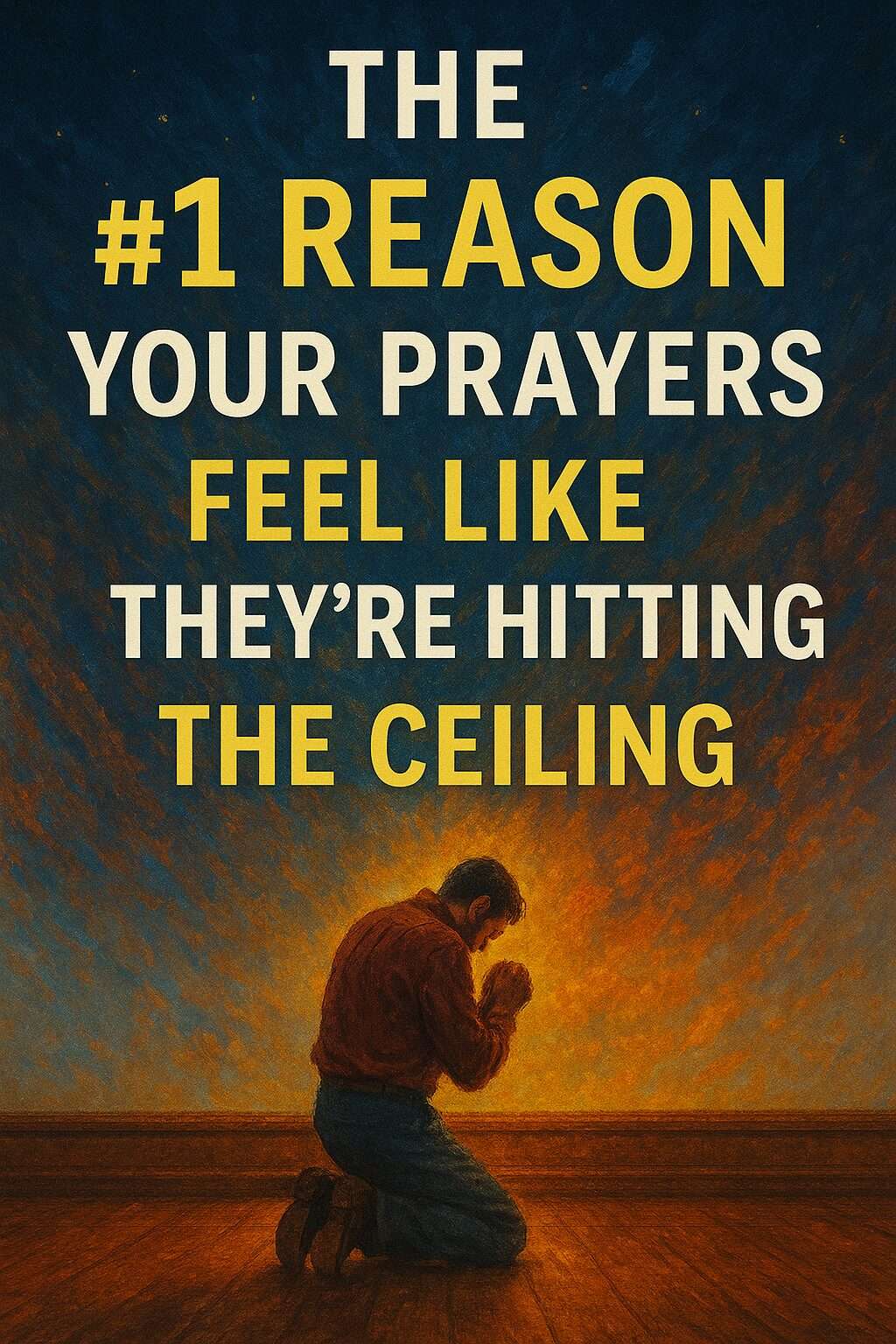
The #1 Reason Your Prayers Feel Like They’re Hitting the Ceiling

Many believers have experienced that frustrating moment—earnest prayers that seem to rise no higher than the ceiling. Knees pressed into carpet, hands clasped together, words sent heavenward with hope and desperation… only to be met with silence.

This experience is so common it has become a standard phrase in Christian circles: “prayers hitting the ceiling.” While various explanations circulate through sermons and Bible studies, there’s one fundamental issue that rarely gets addressed—an issue that lies at the heart of prayer itself.

The Prayer Paradox Most Christians Face

When prayers seem unanswered, typical spiritual advice includes:

  • “You need more faith”
  • “There’s unconfessed sin in your life”
  • “God’s answer is ‘wait'”
  • “You’re not praying according to His will”

While these responses might occasionally contain truth, they often miss the deeper issue—what could be called the “prayer paradox”:

The more desperately someone tries to reach God through prayer, the more distant He often feels.

This counterintuitive reality isn’t about God’s absence but about a fundamental misunderstanding of prayer’s nature and purpose.

The Hidden Assumption Blocking Prayers

In THE CALL, the protagonist Bob discovers a life-changing truth after years of spiritual striving. While desperately climbing a mountain to reach what he thought was God’s presence, he makes a stunning realization:

He was already standing at the summit.

This fictional moment illustrates the #1 reason many prayers feel ineffective:

People pray as if God is distant, when He is actually within.

The problem isn’t prayer technique. It’s starting position.

The Revealing Question No One Asks

When prayers feel like they’re hitting a ceiling, the revealing question becomes:

“Are you praying TO God or FROM God?”

This distinction changes everything:

Praying TO God: Assumes separation. The person is down here; God’s up there. They must somehow bridge the gap through perfect words, emotional intensity, or spiritual performance.

Praying FROM God: Recognizes union. “Christ in you” isn’t just theological poetry—it’s actual reality. Prayer flows from connection that already exists.

In the first approach, unanswered prayer feels like rejection. In the second, silence becomes space for deeper listening from a position of security.

The Subtle Shift That Changes Everything

Many believers have discovered what Bob learns in THE CALL—they’ve been operating from the wrong map.

They’ve been trying to climb to a God who has already made His home within them.

The shift isn’t about praying differently; it’s about understanding position differently. Here’s what changes:

Before: Performance-Based Prayer

  • Starts with apologies and unworthiness
  • Feels the need to convince God to listen
  • Works to build sufficient faith to deserve an answer
  • Interprets silence as disapproval

After: Presence-Based Prayer

  • Starts with awareness of union with Christ
  • Speaks as one already accepted and heard
  • Rests in faith already given through Christ
  • Interprets silence as an invitation to deeper listening

Three Signs of Operating from the Wrong Position

How does someone know if their prayer foundation needs realignment? These indicators reveal the truth:

  1. Prayer feels like a performance—conscious of saying the “right” things in the “right” way
  2. Anxiety persists during and after prayer—wondering if enough has been done to merit an answer
  3. God is approached as if He’s reluctant to respond—as though He needs convincing to act

These signs reveal operation from a fundamental misconception about relationship with God.

Practical Steps to Transform Prayer Life

For those who recognize these patterns, here’s how to begin shifting from performance to presence in prayer:

1. Begin with Declaration, Not Desperation

Before asking for anything, declare the truth of position:

“Father, thank you that I am in You and You are in me. I pray from our union, not for it.”

This isn’t positive thinking—it’s alignment with what Scripture declares is already true (John 14:20).

2. Listen First, Then Speak

Most people jump immediately into speaking, not realizing that prayer is a conversation.

Spending the first five minutes of prayer in silence, with this simple invitation can transform the experience: “Holy Spirit within me, what do You want to show me today?”

One reader of THE CALL shared how this transformed their approach: “I realized I’d been broadcasting at God for years without ever tuning in to receive. When I started listening first, I discovered He’d been speaking all along—I just hadn’t created space to hear.”

3. Replace “If it’s Your will” with “Show me Your will”

Many prayers end with “if it’s Your will,” which often masks insecurity about standing with God.

Instead, praying: “Show me Your will that’s already written within me” recognizes that God’s Spirit lives inside, revealing His will from within, not just from without (Romans 8:26-27).

What Changes When Praying From Union

When beginning prayer from a place of established union rather than seeking connection, everything transforms:

  • Silence no longer feels like rejection—it becomes an invitation to deeper listening
  • Answers become less about getting what we want and more about discovering what’s already ours in Christ
  • Prayer shifts from obligation to opportunity—from trying to reach God to experiencing the God already present

A participant in a prayer workshop described it this way: “For the first time in 40 years as a Christian, I don’t feel like I’m shouting into the void. There’s a confidence that comes from knowing I’m already heard before I speak.”

The Ultimate Prayer Breakthrough

In THE CALL, Bob’s life changes when he stops trying to climb to the summit and realizes he’s already standing on it.

Prayer life transforms when embracing the same truth: We don’t pray to reach God; we pray because He has already reached us.

The ceiling being hit isn’t heaven’s barrier. It’s the artificial distance created by performance-based spirituality.

The truth? There is no ceiling. There never was.

We are not separated from God, struggling to make contact through perfect prayers. We are united with Christ, learning to live from a connection that already exists.

This realization doesn’t just change how we pray—it transforms why we pray.

And that makes all the difference.

Want to go deeper? THE CALL workbook is your next step in breaking free from performance-based spirituality and discovering the relationship God always intended. More than just questions, it’s a guided journey from exhausting religious effort to liberating grace. Click here www.graceempoweredliving.com/call to begin your transformation.

Written by, Scott Johnson is an author of thirteen books who helps people break free from performance-based spirituality. Drawing from over four decades of ministry experience, Scott empowers others to move beyond obstacles toward a fulfilled life through God’s grace. His passion is helping people discover they are already approved, already loved, and already complete in Christ—no exhausting religious performance required.

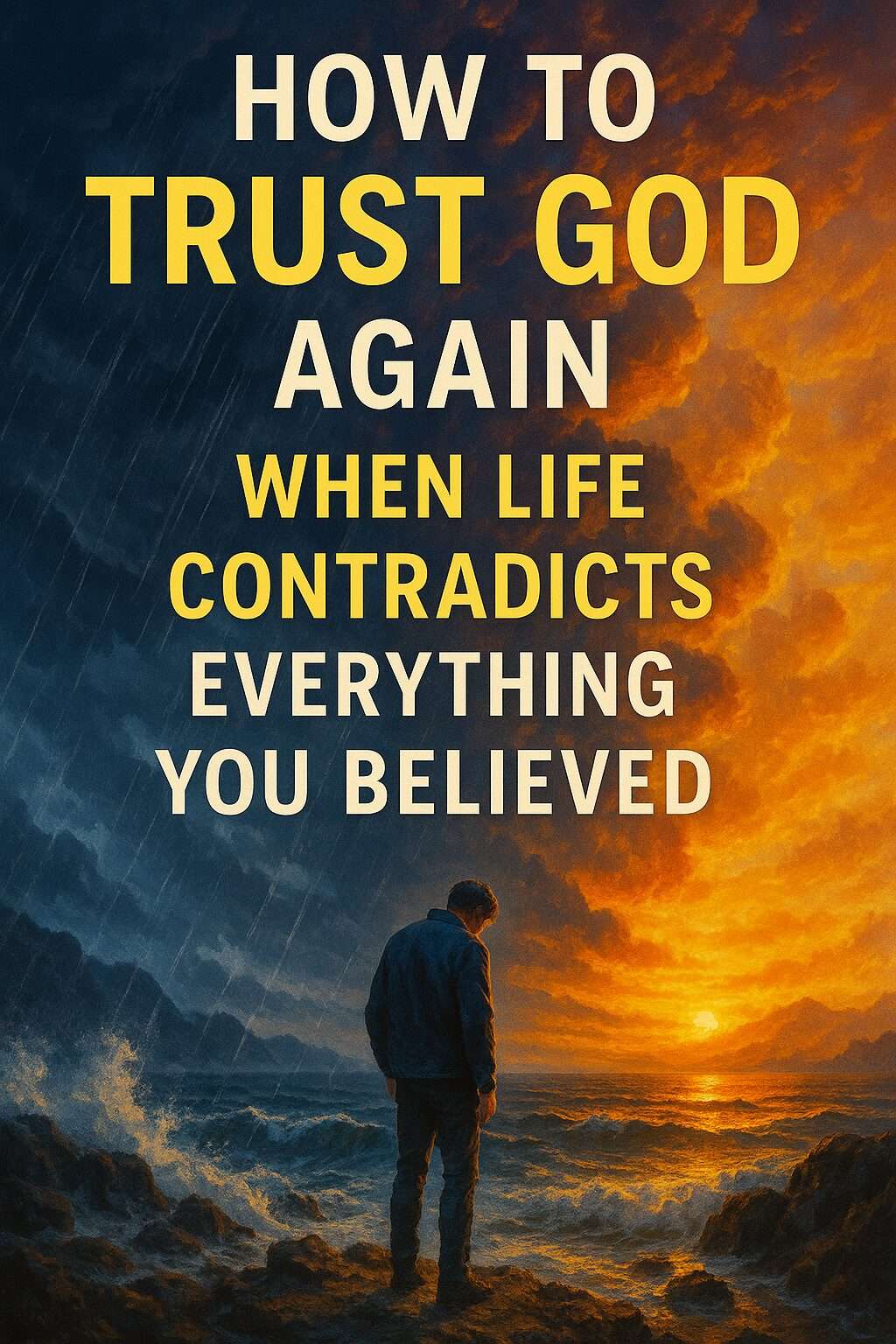
How to Trust God Again When Life Contradicts Everything You Believed

The text message came at 2:17 AM.

“Dad’s gone. The doctors tried everything.”

I stared at my phone, paralyzed. Just yesterday, we’d talked about his recovery plan. The surgery had gone “better than expected.” We were discussing rehabilitation options.

And now? Nothing made sense anymore.

Have you been there? When reality suddenly contradicts everything you thought you knew about God and how He works?

When Your Spiritual Map Fails You

In moments of devastating crisis—whether it’s unexpected loss, career implosion, health diagnoses, or relationship betrayal—our carefully constructed beliefs about God often shatter.

The spiritual map we’ve been following suddenly leads nowhere.

  • “God protects His faithful” feels hollow when tragedy strikes anyway
  • “Everything happens for a reason” offers little comfort amid senseless suffering
  • “Just have more faith” becomes an impossible burden when doubt floods in

This spiritual disorientation isn’t just emotionally painful—it’s existentially threatening. When the God you thought you knew seems absent, indifferent, or even cruel, how do you trust again?

The Hidden Pattern in Spiritual Crisis

In THE CALL, Bob Cooper experiences a similar spiritual earthquake. After following all the “right” rules and climbing the religious mountain he thought led to God, his entire understanding collapses.

His crisis reveals a profound truth: Sometimes what feels like spiritual failure is actually spiritual awakening.

When everything falls apart, something new has space to emerge. But first, we must navigate the painful middle ground between what we once believed and what we’re now experiencing.

The Three Phases of Authentic Trust

Rebuilding trust in God after profound disappointment isn’t about forcing yourself to believe what no longer rings true. It’s about discovering a more resilient faith that can hold both your questions and your hope.

Phase 1: Honor the Disruption

When Naomi lost her husband and sons in the book of Ruth, she didn’t spiritualize her pain. She said plainly: “The Almighty has dealt very bitterly with me” (Ruth 1:20).

This honesty isn’t faithlessness—it’s the foundation of authentic faith.

Steps to honor your disruption:

  • Name it clearly: “My understanding of God has been shattered by _______”
  • Feel it fully: Allow yourself to experience grief, anger, confusion
  • Share it safely: Find at least one person who won’t try to “fix” your doubt

Instead of pushing doubts down, bring them to the surface. Your questions aren’t an obstacle to faith—they’re the beginning of a deeper one.

Phase 2: Separate the Map from the Territory

One of the most profound revelations in THE CALL comes when Bob realizes he’s been following a map that someone else created—not the actual landscape of God’s heart.

The map is not the territory.

Your beliefs about God are not God Himself.

When life contradicts your theology, it doesn’t necessarily mean God has abandoned you. It might mean your understanding of God was incomplete.

Steps to separate the map from the territory:

  • Identify your assumptions: What specific beliefs about how God works have been challenged?
  • Consider their source: Where did these beliefs originate? (Culture? Family? Specific teachers?)
  • Hold them loosely: Which beliefs feel essential to faith, and which might be human constructs?

As one character in THE CALL explains to Bob: “They build temples in the Valley of Religion and call it the summit.”

Don’t confuse religious systems with the God they claim to represent.

Phase 3: Discover the Relationship Beyond the Rules

The most transformative discovery comes when we realize that God isn’t primarily interested in our adherence to a belief system. He’s pursuing relationship.

In THE CALL, Bob’s breakthrough moment comes when he realizes: “I’ve been trying to climb to something that was freely given all along.”

Steps to discover relationship beyond rules:

  • Start with presence, not performance: Begin each day with five minutes of silence, simply being with God rather than doing for Him
  • Search for evidence: Where might God still be present, though in unexpected ways?
  • Embrace a bigger story: Consider how your current chapter might fit into a longer narrative you can’t yet see

The Counterintuitive Path to Trust

Here’s what’s rarely taught in spiritual circles: True trust grows through honest doubt, not by suppressing it.

When Thomas doubted Jesus’ resurrection, Jesus didn’t rebuke him. He invited him closer: “Put your finger here; see my hands” (John 20:27).

The invitation stands for us too. Bring your doubts, your pain, your confusion—not to an abstract belief system but to a living Savior who meets you in your questions.

What Real Trust Looks Like Now

After catastrophic disappointment, trust looks different. It’s not blind optimism that nothing bad will happen. It’s the quiet confidence that whatever happens, you are held.

As THE CALL illustrates so powerfully, it’s about discovering that:

  • You don’t have to climb to God; He has already come to you
  • Your worth isn’t tied to your understanding or performance
  • Life’s contradictions don’t disprove God; they reveal a deeper truth

One reader described their experience after working through these principles: “I stopped trying to force myself to believe what no longer made sense. Instead, I found God meeting me in my questions. My faith is both smaller and stronger—focused on fewer certainties but anchored in deeper trust.”

Your Next Step: From Crisis to Clarity

If your faith has been shaken by life’s contradictions, know this: What feels like the end of your faith might actually be its beginning.

The journey from rigid beliefs to resilient trust isn’t easy, but it leads to a relationship with God that can withstand even the harshest realities.

Don’t rush past the disruption. Don’t cling to maps that no longer lead home. Do listen for the voice that meets you exactly where you are.

Want to go deeper? THE CALL workbook is your next step in breaking free from performance-based spirituality and discovering the relationship God always intended. More than just questions, it’s a guided journey from exhausting religious effort to liberating grace. Click here www.graceempoweredliving.com/call to begin your transformation.

Written by, Scott Johnson is an author of thirteen books who helps people break free from performance-based spirituality. Drawing from over four decades of ministry experience, Scott empowers others to move beyond obstacles toward a fulfilled life through God’s grace. His passion is helping people discover they are already approved, already loved, and already complete in Christ—no exhausting religious performance required.

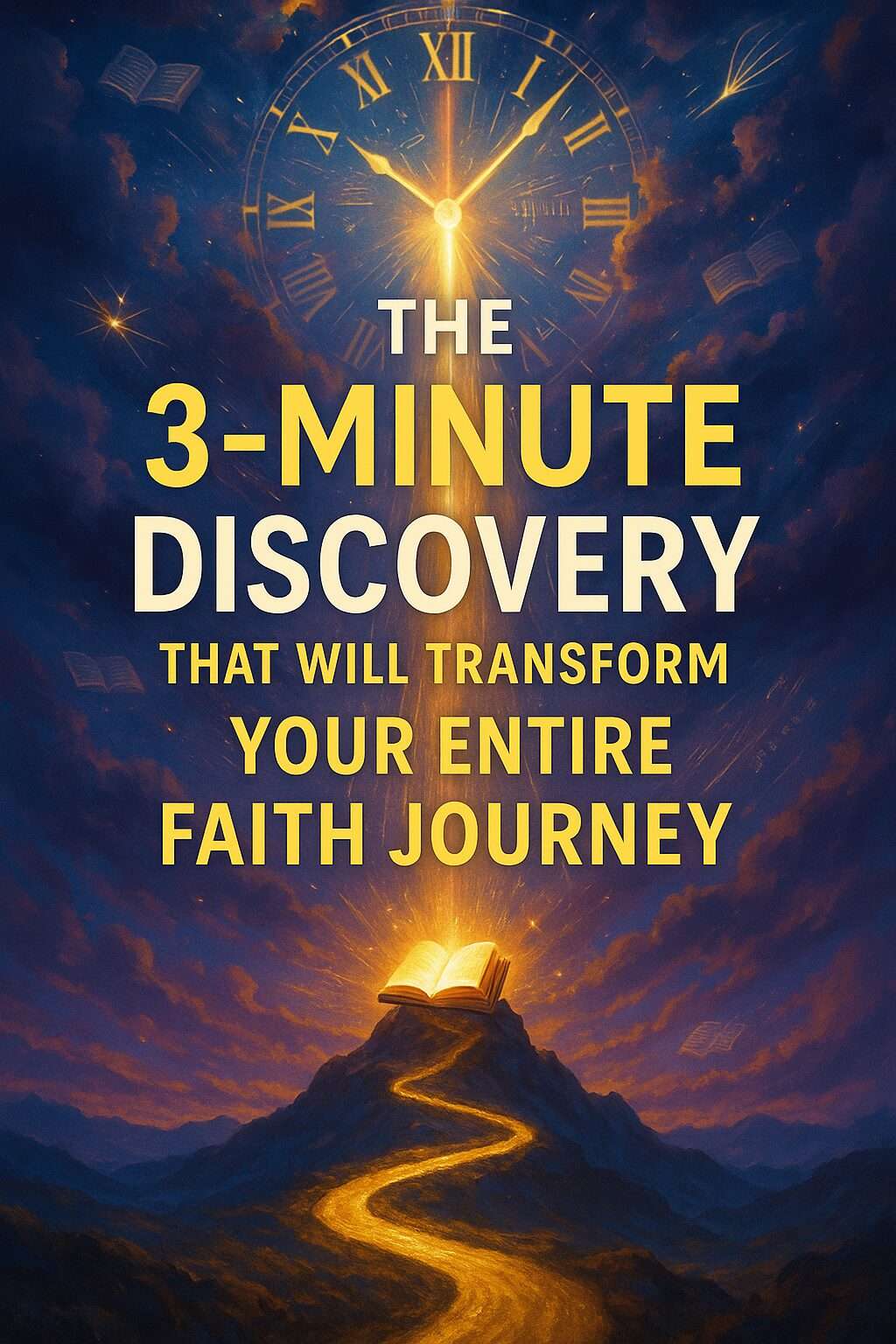
The 3-Minute Discovery That Will Transform Your Entire Faith Journey

Have you ever felt like you’re constantly climbing but never arriving? Like your spiritual life is an endless uphill battle where the summit keeps moving just beyond reach?

You’re not alone.

I remember sitting in my car after another exhausting church service, wondering why faith felt more like pressure than peace. I’d done everything “right” – attended every prayer meeting, volunteered in multiple ministries, read my Bible daily – yet something profound was missing.

Then it happened. A truth so simple yet so revolutionary that it changed everything in just three minutes.

The Exhausting Climb We Were Never Meant to Take

Most believers are unknowingly trapped in what I call the “performance paradox”:

  • The harder you strive for God’s approval, the less you feel it
  • The more you try to earn His love, the more distant it seems
  • The more you work to be “enough,” the more depleted you become

Sound familiar?

This paradox isn’t just frustrating – it’s the exact opposite of the freedom Christ promised. Yet millions of Christians wake up every day, lace up their spiritual boots, and continue climbing a mountain they were never meant to climb.

The 3-Minute Revelation That Changes Everything

The breakthrough came when I realized a single, life-altering truth:

You don’t climb toward God’s approval – you live from it.

This isn’t just a theological nicety. It’s the difference between exhaustion and energy, between striving and thriving, between religion and relationship.

In THE CALL, the main character Bob experiences this exact revelation. After years of climbing an endless mountain, desperately trying to prove his worth, he discovers that he had been chasing what was already freely given.

The paradigm shift happens in this powerful moment:

“Bob’s heart stopped. The words hung in the air like a thunderclap. Peak Sozo? The greatest climb in human history, the peak that millions had spent their entire lives trying to reach… And he was already standing on it? ‘No,’ Bob whispered. ‘That’s not possible. I didn’t earn this. I didn’t finish the climb.’ Kinsman simply watched him. ‘You’re right. You didn’t.’ ‘Then how—’ Kinsman stepped closer, his voice gentle but firm. ‘Because you were never meant to.'”

Three Signs You’re Climbing Instead of Living

How do you know if you’re caught in the endless climb? Look for these warning signs:

  1. Spiritual fatigue: Faith feels more like work than wonder
  2. Approval addiction: Your worth fluctuates based on your performance
  3. Constant comparison: You measure your spiritual “progress” against others

Each of these indicates you’re operating from a fundamental misunderstanding about how God’s Kingdom works.

From Climbing to Thriving: The Practical Shift

This 3-minute revelation isn’t just beautiful theology – it transforms how you live your faith daily. Here’s what changes:

Prayer shifts from obligation to conversation. Instead of reciting formulas to earn God’s ear, you speak confidently as a beloved child.

Bible reading transforms from duty to discovery. You’re not mining for rules but uncovering the heart of Someone who already loves you completely.

Service flows from fullness, not emptiness. You give not to earn approval but because you’re already approved and overflow with gratitude.

One reader described it this way: “After reading THE CALL, I realized I’d spent 20 years trying to become something I already was. The freedom I’ve found is indescribable.”

The Key Question That Changes Everything

Here’s a 3-minute exercise that can transform your entire approach to faith:

Ask yourself honestly: “If I truly believed I was already fully loved, fully accepted, and fully equipped by God right now – how would I live differently today?”

Let that question sink deep. Your answer reveals the gap between what you intellectually believe and what you’re functionally living.

Breaking Free From the False Map

In THE CALL, Bob discovers he’s been following a “false map” – a set of directions that never lead to the destination they promise. Many believers are doing the same, following religious systems that claim to lead to God but actually lead to exhaustion.

The truth? You don’t need a map to find what’s already inside you.

Christ in you isn’t a distant goal to pursue – it’s a present reality to awaken to. This realization doesn’t diminish your spiritual journey; it transforms it from desperate climbing to joyful exploration.

The Path Forward

If this resonates with you, here are three immediate steps:

  1. Release the pressure of performance-based spirituality
  2. Reconnect daily with the truth of your complete acceptance in Christ
  3. Realign your practices to flow from identity, not for identity

This shift doesn’t happen overnight. Old patterns of striving are deeply ingrained. But every time you catch yourself climbing, you have a fresh opportunity to remember you’ve already arrived.

Your life wasn’t meant to be an endless uphill battle. It was designed to be an unfolding adventure of living from the fullness already placed within you.

Want to go deeper? THE CALL workbook is your next step in breaking free from performance-based spirituality and discovering the relationship God always intended. More than just questions, it’s a guided journey from exhausting religious effort to liberating grace. Click here www.graceempoweredliving.com/call to begin your transformation.

Written by, Scott Johnson is an author of thirteen books who helps people break free from performance-based spirituality. Drawing from over four decades of ministry experience, Scott empowers others to move beyond obstacles toward a fulfilled life through God’s grace. His passion is helping people discover they are already approved, already loved, and already complete in Christ—no exhausting religious performance required.

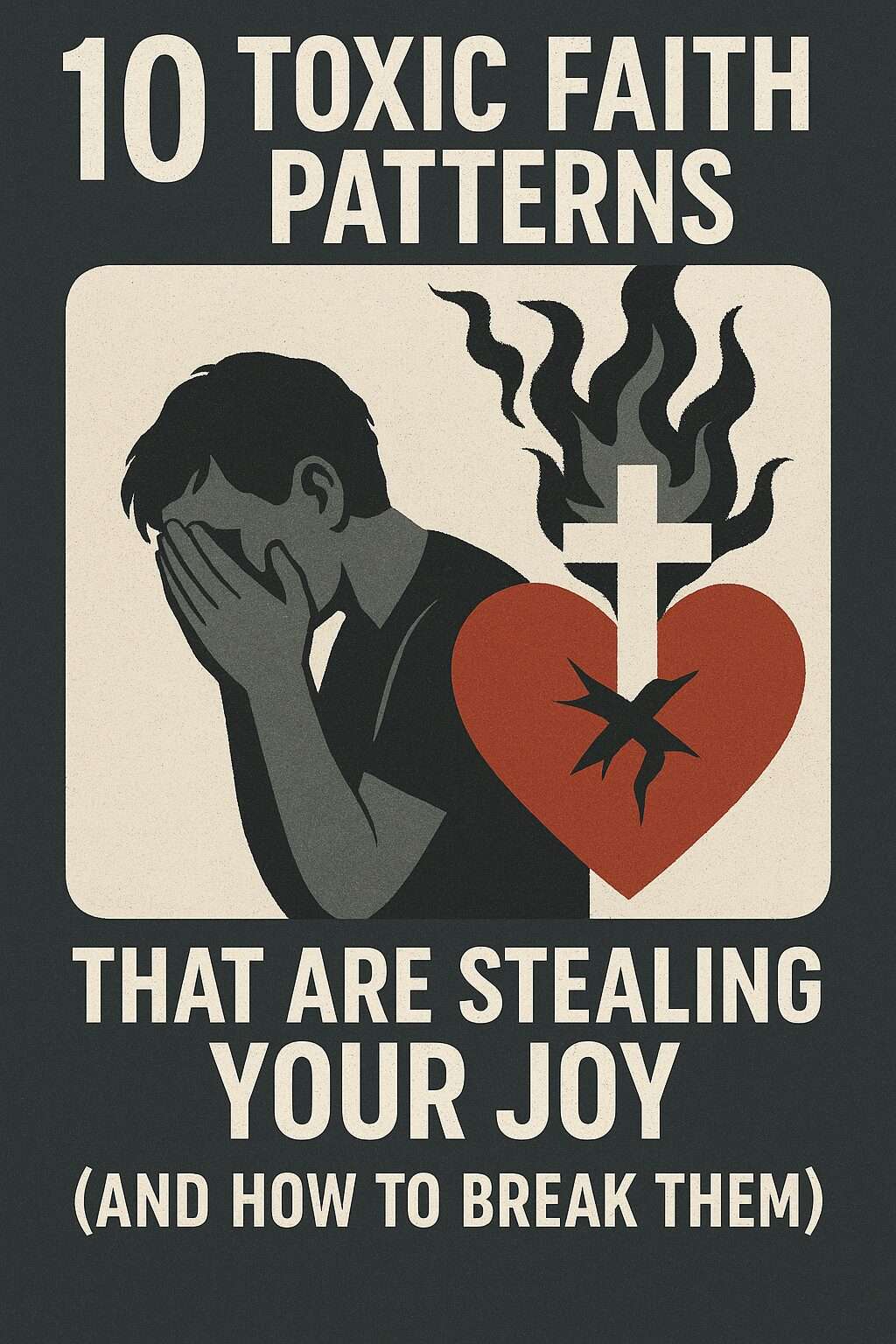
10 Toxic Faith Patterns That Are Stealing Your Joy (And How to Break Them)

“I’m doing everything right. Why do I feel so empty?”

The question came from Sarah, a devoted church member who hadn’t missed a Sunday in fifteen years. She served in three ministries, tithed faithfully, and knew her Bible inside out.

Yet behind her perfect spiritual resume, she was exhausted, joyless, and secretly questioning whether any of it mattered.

Sarah was trapped in what I call “toxic faith patterns”—religious habits that appear godly on the outside but actually separate us from the vibrant relationship with God we were created for.

The Hidden Epidemic in Modern Christianity

As someone who has worked with thousands of believers, I’ve noticed a disturbing trend: many of the most committed Christians are often the most spiritually depleted.

Why? Because they’ve substituted religious performance for genuine relationship.

In THE CALL, the main character discovers this truth through a powerful metaphor: he’s been climbing an endless mountain, desperately trying to reach God, only to discover that God had been within him all along.

Let’s examine the ten most damaging patterns that might be stealing your joy—and more importantly, how to break free from them.

1. The Approval Addiction

The Pattern: You serve, give, and participate in church activities primarily to be seen as “good” by others and by God.

Why It’s Toxic: When your worth becomes tied to spiritual performance, you’re no longer motivated by love but by fear of disapproval.

The Breakthrough: You are already fully approved in Christ (Ephesians 1:6). Your service should flow from acceptance, not for it.

Practical Step: Before serving in any capacity this week, declare: “I serve from God’s love, not for it.” Notice how this shifts your motivation and experience.

2. The Comparison Trap

The Pattern: You constantly measure your spiritual growth against others, feeling either pride or shame depending on how you stack up.

Why It’s Toxic: Comparison destroys joy by keeping you focused on others’ journeys instead of your unique relationship with God.

The Breakthrough: God’s work in each person is custom-designed (Philippians 1:6). Your path isn’t meant to mirror anyone else’s.

Practical Step: Identify one person you frequently compare yourself to. When the comparison urge arises, pray blessing over their journey and gratitude for your own.

3. The Certainty Obsession

The Pattern: You need absolute certainty about every theological question and become anxious when faced with mystery or ambiguity.

Why It’s Toxic: Faith requires trust in what isn’t fully seen or understood (Hebrews 11:1). Demanding complete certainty leaves no room for growth.

The Breakthrough: Mature faith embraces both conviction and mystery, holding truth with both confidence and humility.

Practical Step: Identify one area where you’ve demanded absolute certainty. Practice saying, “I don’t have to understand everything to trust God in this.”

4. The Checklist Christianity

The Pattern: Your faith has become a series of boxes to check: daily devotions ✓ church attendance ✓ avoided sinful behavior ✓

Why It’s Toxic: Relationship gets reduced to routine, and connection with God becomes mechanical rather than meaningful.

The Breakthrough: God desires relationship, not religious ritualism (Hosea 6:6).

Practical Step: Replace one “have to” this week with a “get to.” Instead of “I have to read my Bible,” try “I get to hear God’s voice today.”

5. The Hyperactive Conscience

The Pattern: You feel constant, low-grade guilt even when you can’t identify any specific sin, believing God is perpetually disappointed with you.

Why It’s Toxic: A hyperactive conscience keeps you focused on your performance rather than God’s presence.

The Breakthrough: In Christ, condemnation has been removed (Romans 8:1). God’s conviction is specific and restorative, not vague and shaming.

Practical Step: When generalized guilt appears, ask: “Is this God’s specific restoration or shame’s general accusation?” Reject vague shame while responding to specific conviction.

6. The Emotional Suppression

The Pattern: You’ve been taught that negative emotions (doubt, anger, grief) are unspiritual, so you suppress them to appear “strong in faith.”

Why It’s Toxic: Suppressed emotions don’t disappear—they go underground, eventually erupting in destructive ways.

The Breakthrough: The Psalms demonstrate that authentic faith includes expressing the full range of human emotion to God.

Practical Step: Write an “uncensored prayer,” expressing exactly what you feel without religious filtering. Remember, God can handle your real emotions.

7. The Blessing Bargain

The Pattern: You believe that if you do everything right, God is obligated to bless you with health, wealth, and protection from suffering.

Why It’s Toxic: When inevitable hardship comes, your entire faith foundation crumbles because it was built on a transactional relationship.

The Breakthrough: God’s love is covenant-based, not contract-based. His presence remains in both blessing and trial.

Practical Step: Identify where you’ve been making “if/then” bargains with God. Replace them with “even if” declarations (Daniel 3:17-18).

8. The Spiritual Classification System

The Pattern: You mentally rank believers (including yourself) based on perceived spirituality, creating a hierarchy of “more spiritual” and “less spiritual” Christians.

Why It’s Toxic: This creates pride or discouragement and prevents authentic community where all believers recognize their equal need for grace.

The Breakthrough: In Christ, there is no spiritual hierarchy—only one body with different functions (1 Corinthians 12).

Practical Step: Look for what you can learn from someone you previously classified as “less spiritual” than you. Their perspective may be exactly what you need.

9. The Perpetual Penance

The Pattern: After moral failure, you punish yourself with extended guilt, believing you must “pay” for your sins before accepting God’s forgiveness.

Why It’s Toxic: This pattern subtly suggests that Christ’s sacrifice wasn’t sufficient—your additional suffering is needed.

The Breakthrough: Forgiveness is a gift to be received, not a reward to be earned through sufficient self-punishment.

Practical Step: If you’re carrying shame from past sin, write it down, speak forgiveness over it, and physically destroy the paper as a tangible act of receiving what Christ already purchased.

10. The External Focus

The Pattern: You focus almost exclusively on external religious behaviors while neglecting the interior life of the heart.

Why It’s Toxic: Jesus reserved his strongest rebukes for those who maintained perfect exteriors while neglecting inner transformation (Matthew 23:25-28).

The Breakthrough: True spirituality flows from the inside out, not the outside in.

Practical Step: Spend ten minutes in silent reflection, asking, “What am I trying to prove with my religious activity?” Listen for the gentle conviction of the Spirit.

The Common Thread: From Climbing to Resting

In THE CALL, the protagonist makes a life-changing discovery—all his exhausting efforts to climb to God were unnecessary because God had already come to him.

This is the foundational shift that liberates us from all ten toxic patterns. We move from:

  • Striving to earnResting in what’s given
  • Proving our worthDiscovering our value
  • Performing for GodPartnering with God

As one reader of THE CALL shared: “I realized I’d spent thirty years trying to climb to a God who had already come down to me. The freedom I’ve found in this truth has transformed everything.”

Your Journey to Freedom Starts Now

Breaking toxic faith patterns isn’t accomplished through more effort—that’s just exchanging one form of striving for another.

True freedom comes through awakening to what’s already true:

  • You are already loved completely
  • You are already accepted fully
  • You are already equipped sufficiently

Your spiritual journey isn’t about becoming worthy of God’s presence. It’s about becoming aware of the God already present within you.

When this truth takes root, joy returns—not as a fleeting emotion, but as the natural expression of a life lived from divine fullness rather than human emptiness.

Which of these toxic patterns resonates most strongly with you? Your awareness is the first step toward freedom.

Want to go deeper? THE CALL workbook is your next step in breaking free from performance-based spirituality and discovering the relationship God always intended. More than just questions, it’s a guided journey from exhausting religious effort to liberating grace. Click here www.graceempoweredliving.com/call to begin your transformation.

Written by, Scott Johnson is an author of thirteen books who helps people break free from performance-based spirituality. Drawing from over four decades of ministry experience, Scott empowers others to move beyond obstacles toward a fulfilled life through God’s grace. His passion is helping people discover they are already approved, already loved, and already complete in Christ—no exhausting religious performance required.